English translation of the original personal essay; historical observations, figures and legal discussion reflect its publication date.
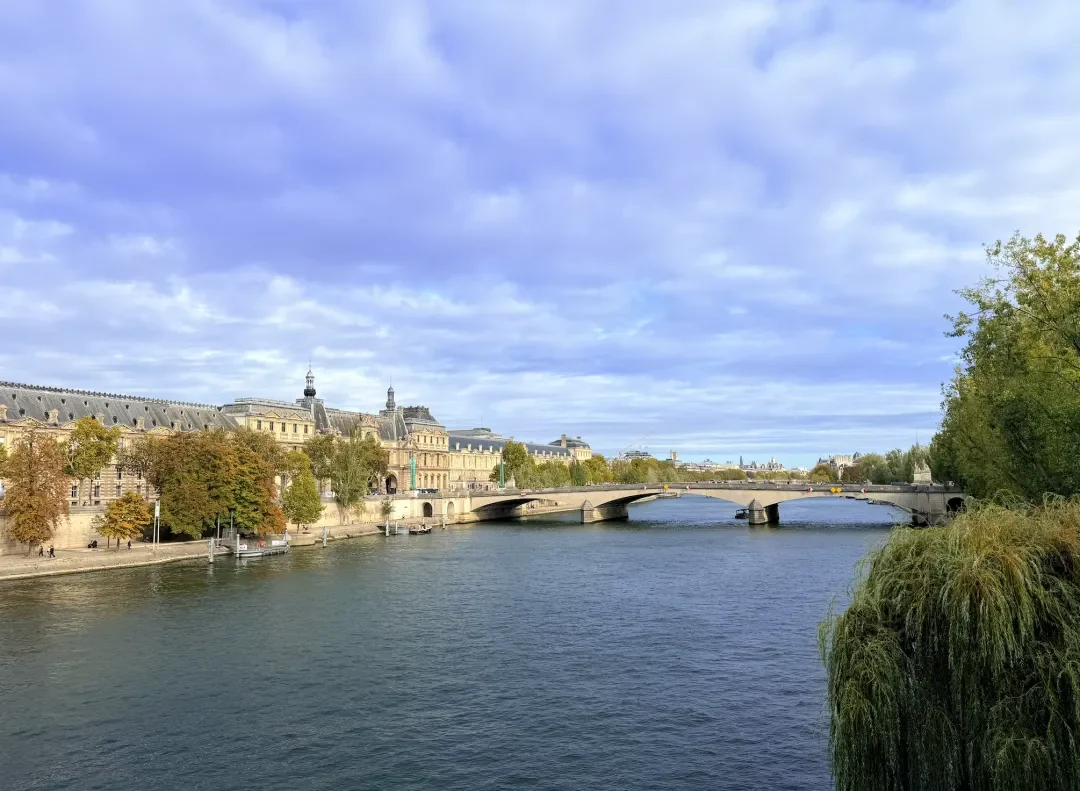
By the Seine
Looking at Monet at the Musée d’Orsay, I decided to stop being someone who needed to gain something from everything, at least for a while. Sunlight fell on dresses, poppies bloomed on a hillside, and a magpie stood in the snow. They were in no hurry to explain themselves, and I did not have to sum up their meaning at once. As a lawyer, I usually pursue facts, reasons and outcomes. In front of Monet, I finally allowed an afternoon to be simply an afternoon.
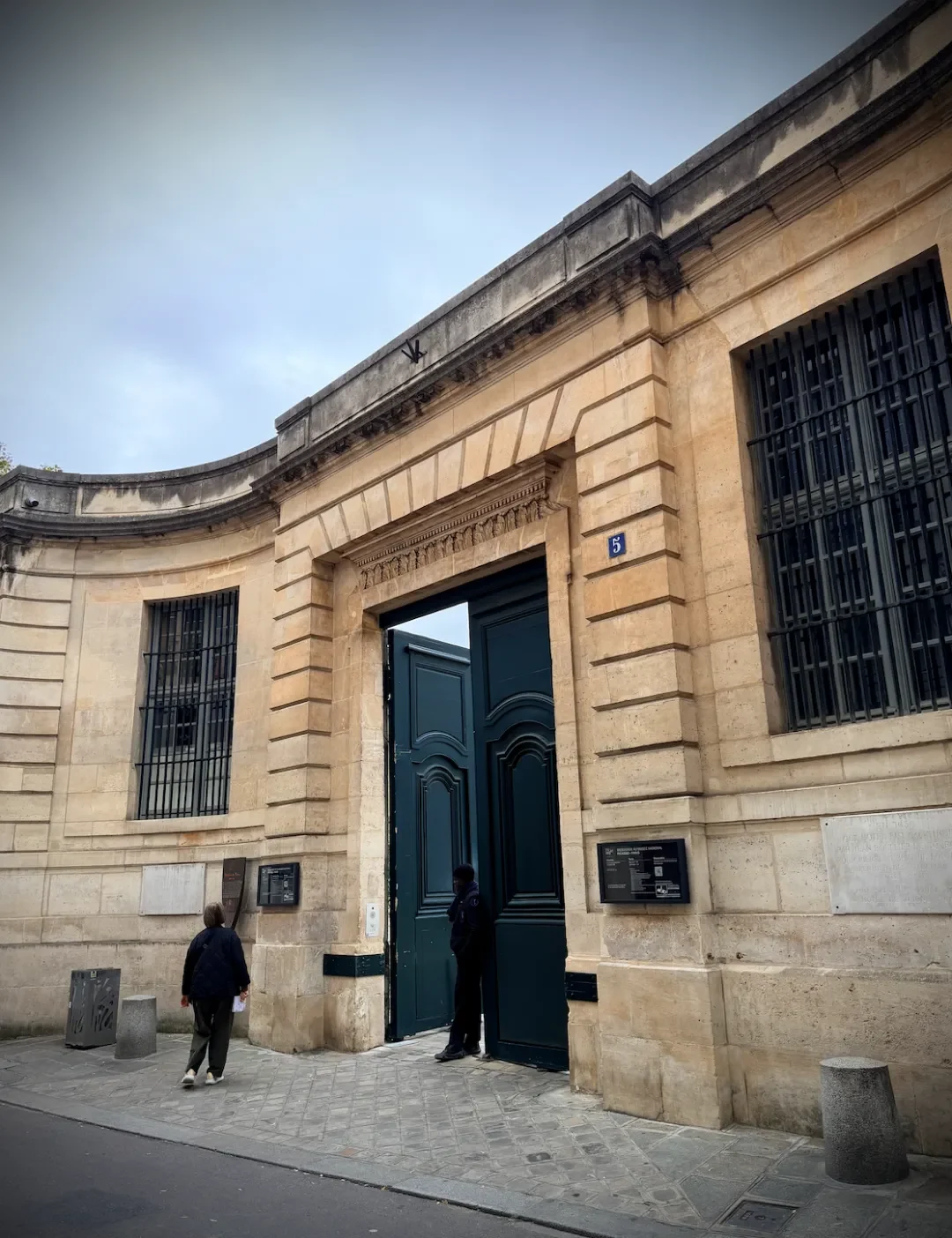
The entrance to the Musée national Picasso-Paris · 11 October 2026
My professional instincts had clearly not retired, however. They returned as soon as I entered the Musée national Picasso-Paris. This time, what awakened them was not a startling painting but a French word on a museum label: Dation.
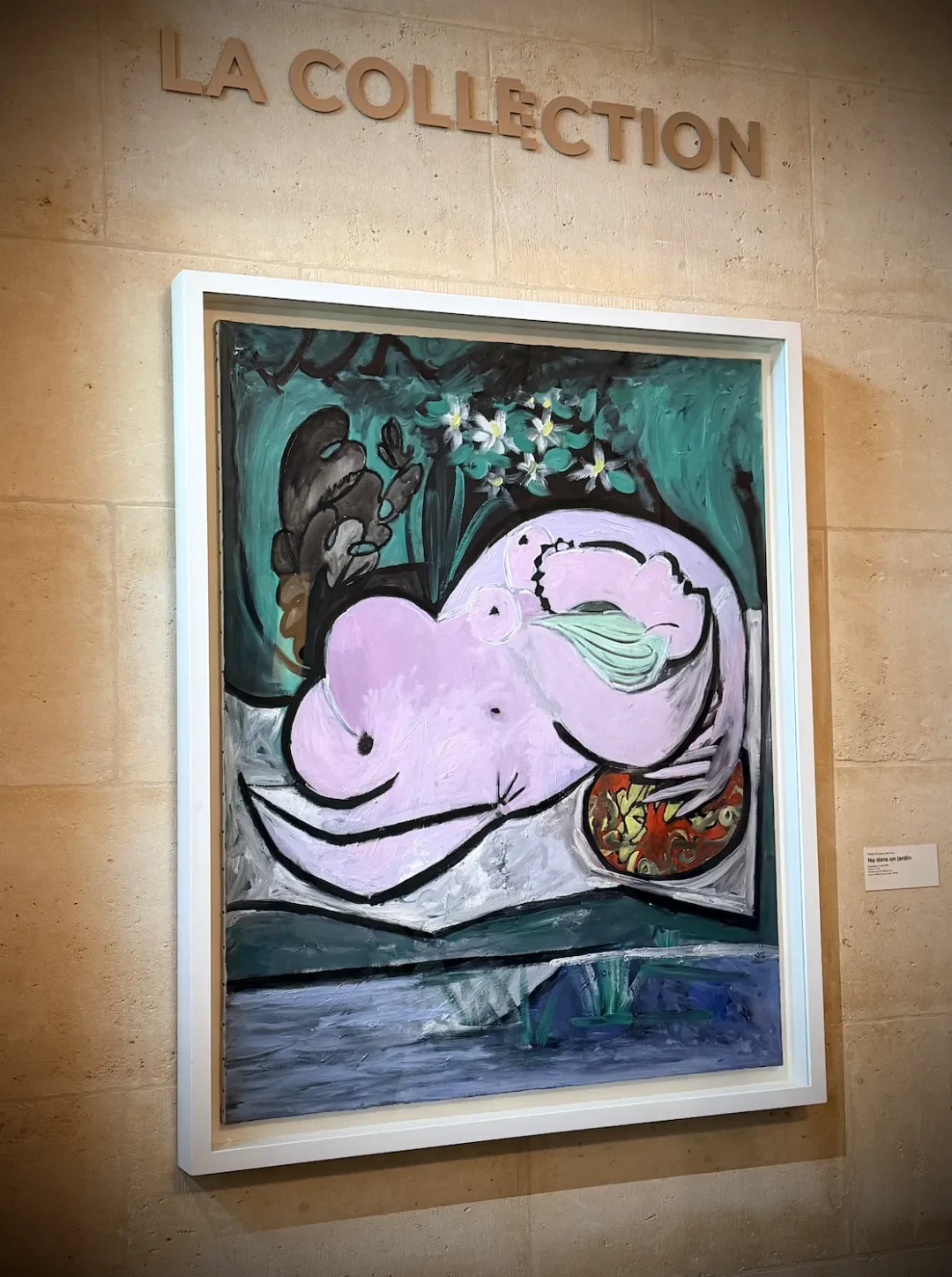
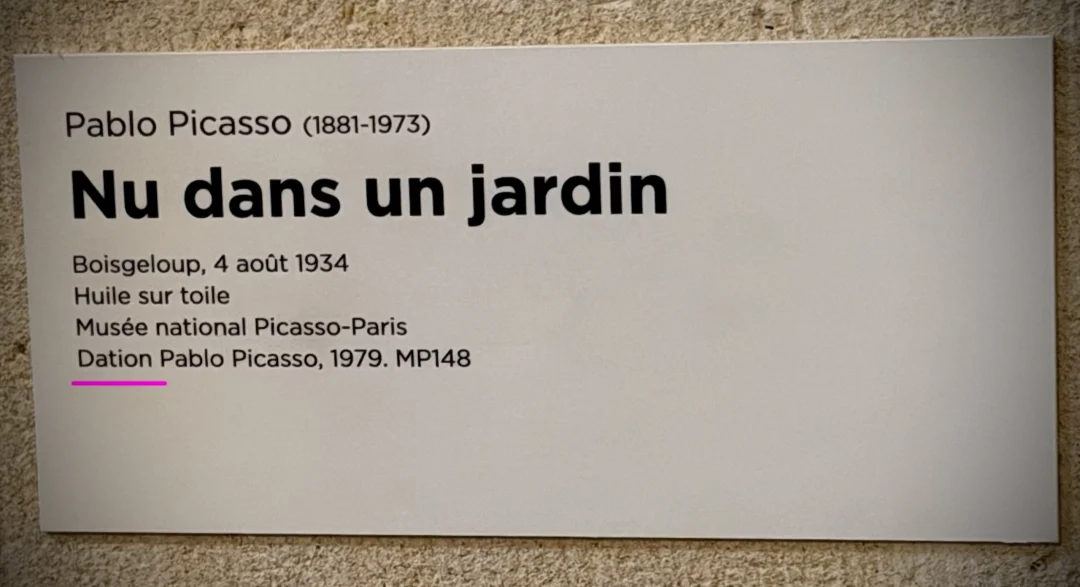
Nude in a Garden · Musée national Picasso-Paris · 11 October 2026
I could calmly accept where the eyes appeared on the painted figure; it was the meaning of that word on the label that made me stop and investigate. It referred to France’s system of payment in kind: qualifying works of art and other property may, following review and approval, be accepted in settlement of certain taxes. Suddenly, looking at a painting acquired another dimension. On the canvas was the artist’s creation; on the label lay a clue to the work’s later fate.
When we buy a museum ticket, we often assume that famous paintings naturally belong there—as though the artist makes them, the museum hangs them, and only a diligent mover stands in between. In reality, the journey from studio to gallery may encompass decisions made over several generations, inventories of estates, tax payments, collection transactions and arrangements for after death that are finally carried out. I also work as an estate administrator in China. Yet the immense collections of Paris’s museums remind me how weighty that responsibility is, how much expertise it demands, and how much we can learn from it.
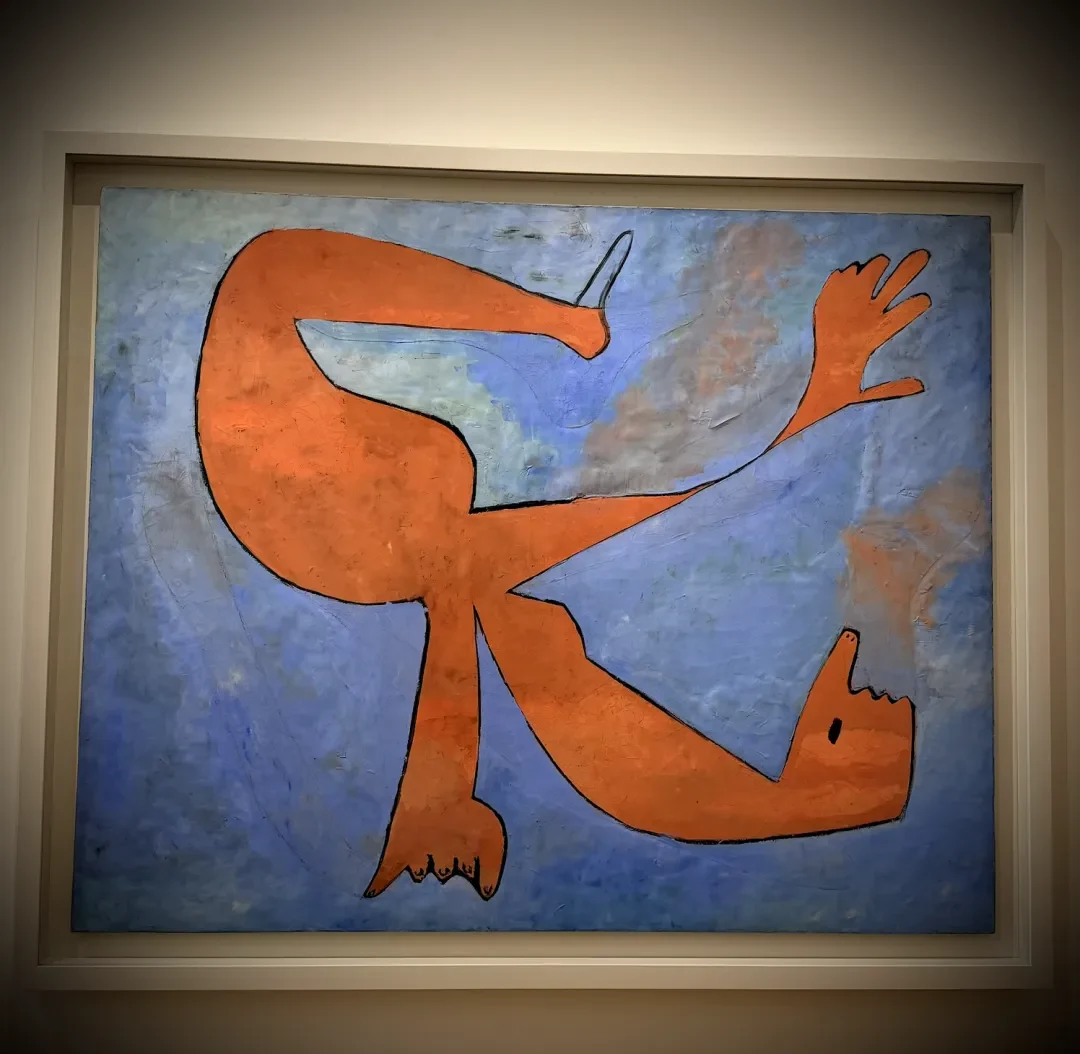
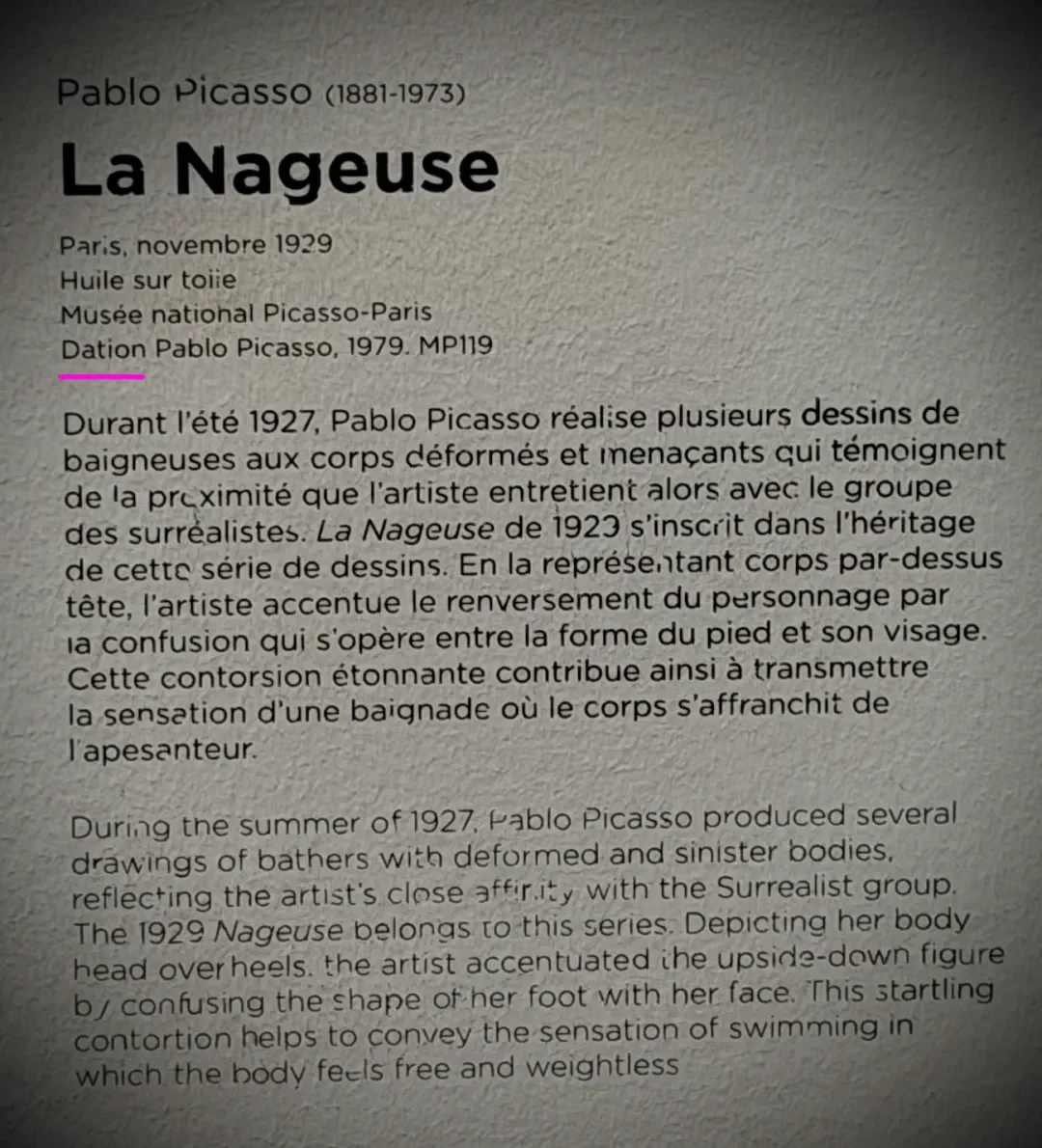
The Bather · Musée national Picasso-Paris · 11 October 2026
Monet made me think about how to live a finite life attentively. Picasso placed another question before me: when someone dies, what happens to the things they created, cherished and collected with such care? Before discussing Picasso’s estate, we should consider what he actually left behind. Otherwise, we risk turning an artist into a balance sheet.
Born in Málaga, Spain, in 1881, Pablo Picasso lived and worked in France for much of his life and became one of the central figures of twentieth-century modern art. His work moved from the poverty and solitude of the Blue Period to the circus figures of the Rose Period, and then repeatedly into new explorations. For many painters, finding a personal style is a lifetime’s achievement. For Picasso, having found one, the next task was often to find a way beyond it.
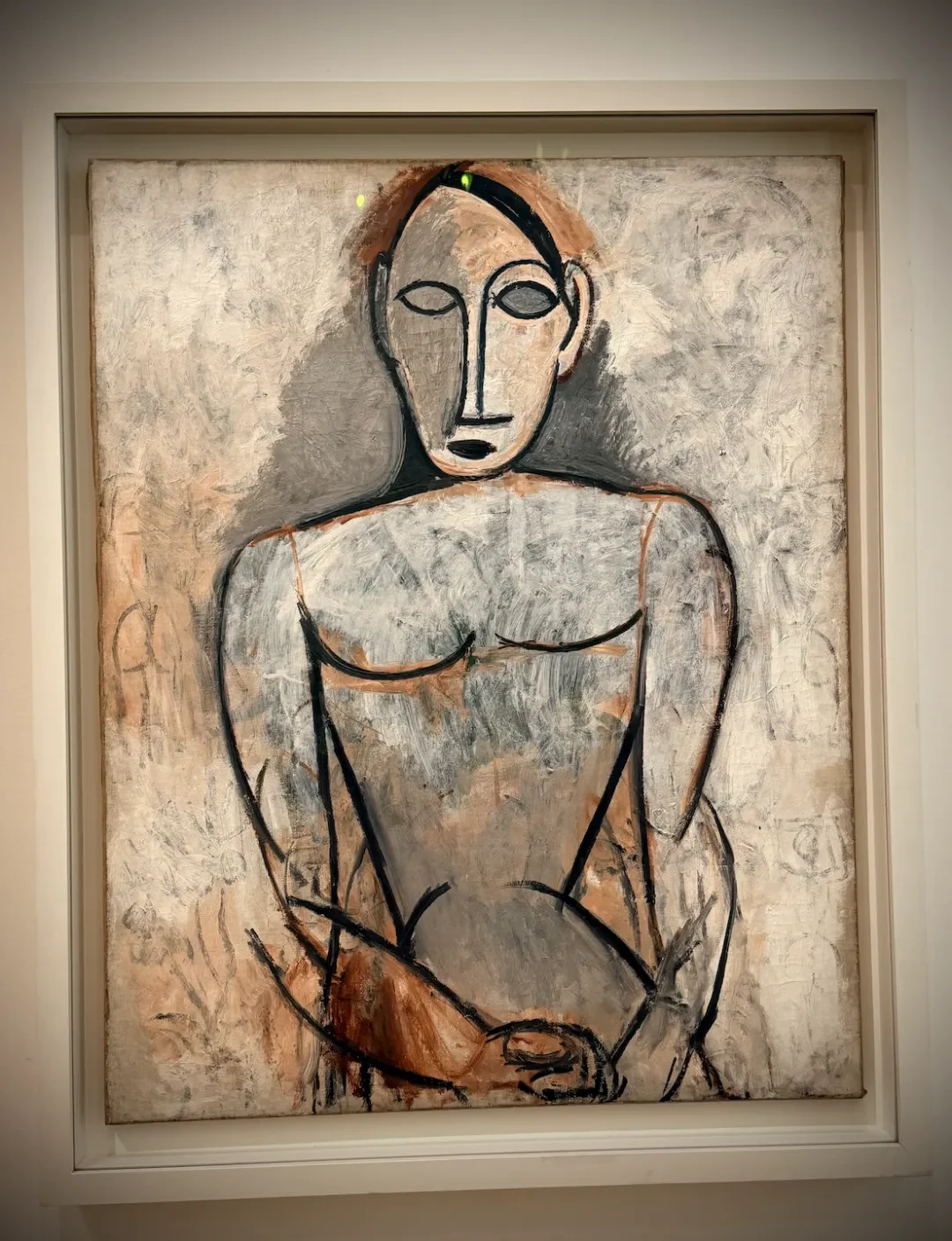
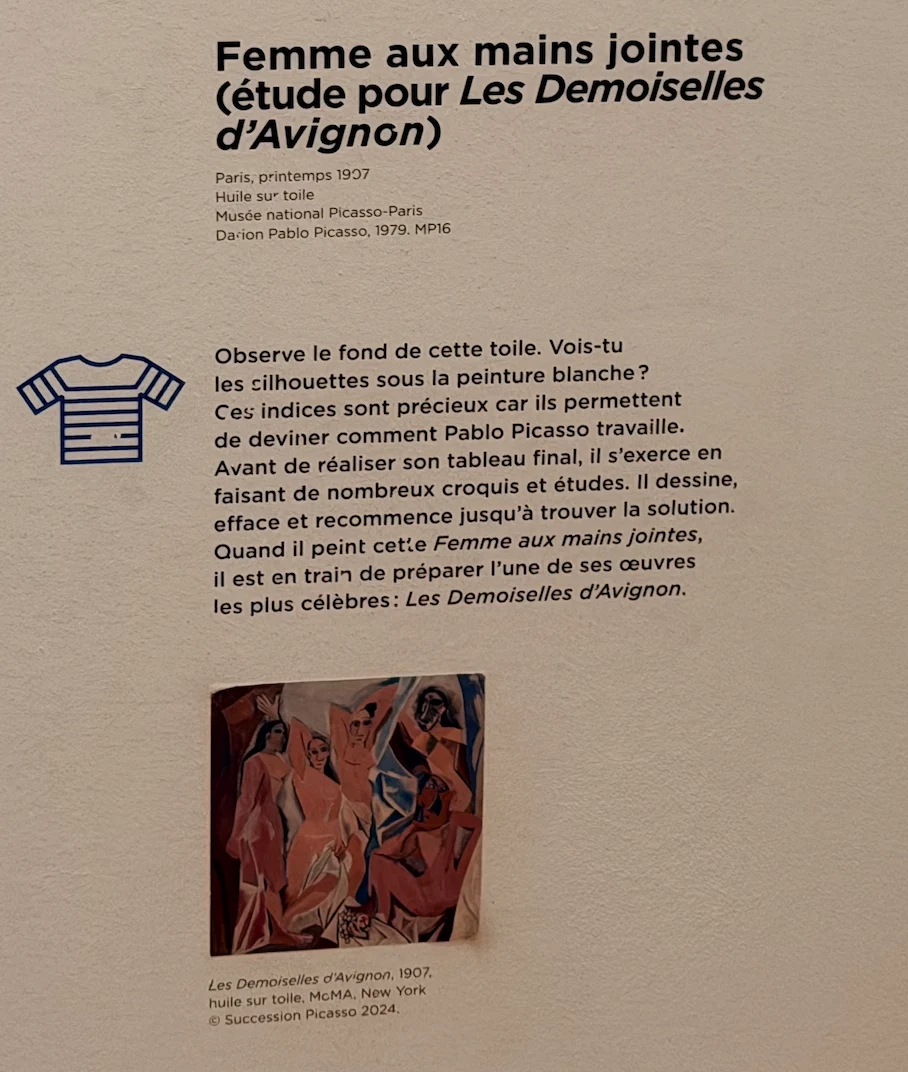
Woman with Clasped Hands, a study for Les Demoiselles d’Avignon · Musée national Picasso-Paris · 11 October 2026
Together with Georges Braque, he developed Cubism, breaking apart forms seen from different viewpoints and reassembling them within a single picture. Les Demoiselles d’Avignon was an important precursor to this transformation. If we look at a painting and wonder how a person could possibly look like that, we need not immediately blame our own taste. Picasso was changing the rules of seeing that we took for granted: a canvas could accommodate conflicting viewpoints at once, and pictorial space could be reorganised.
In Guernica, painted in 1937, fragmented bodies came to carry the terror and suffering of war. In black, white and grey, modern painting’s formal experiments acquired a profound historical resonance. His works deserve preservation because they continue to pose questions to later generations. The market can put a price on a painting, but that does not complete the work of looking and understanding. To collect Picasso is also to take up these unfinished conversations.
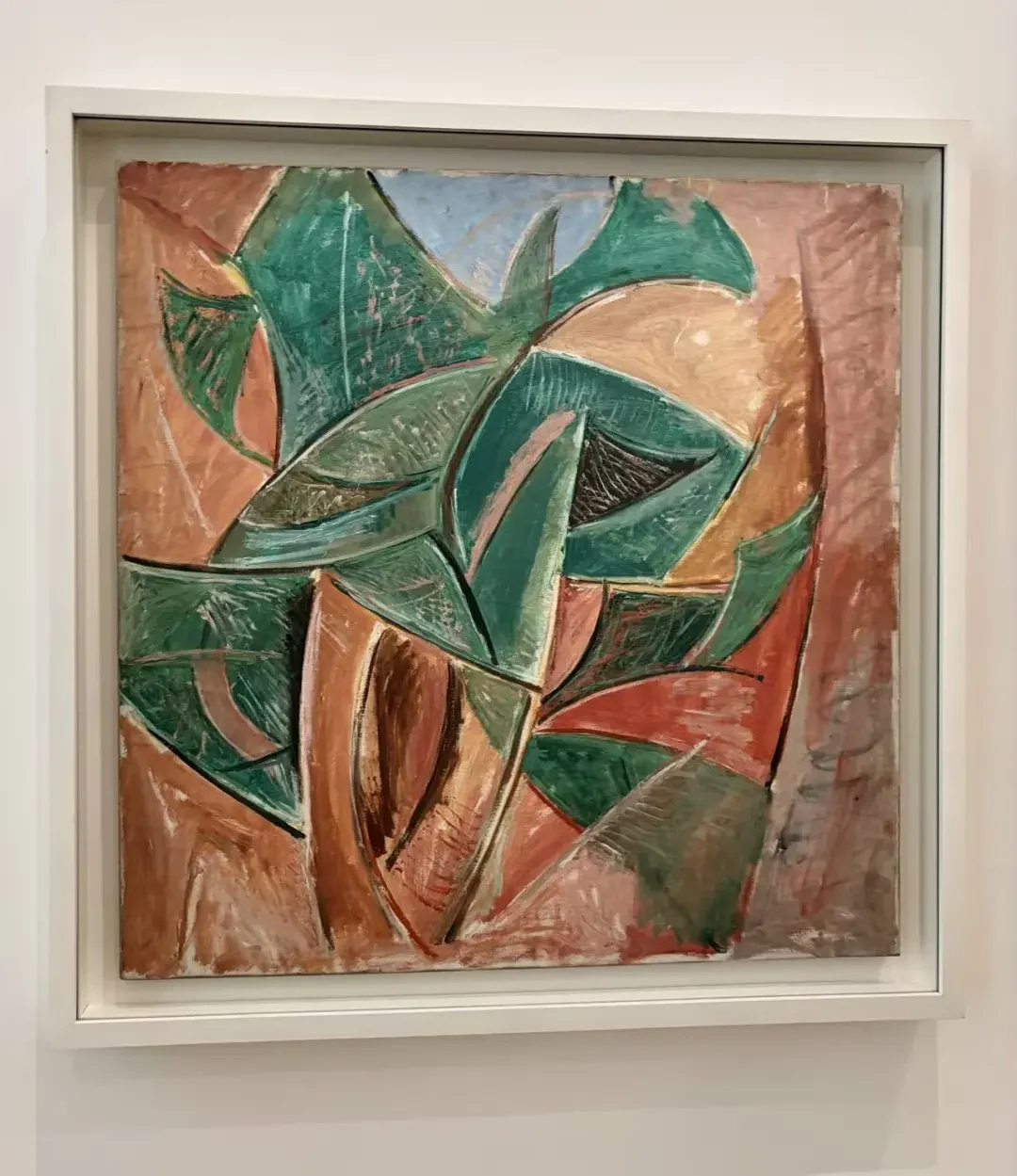
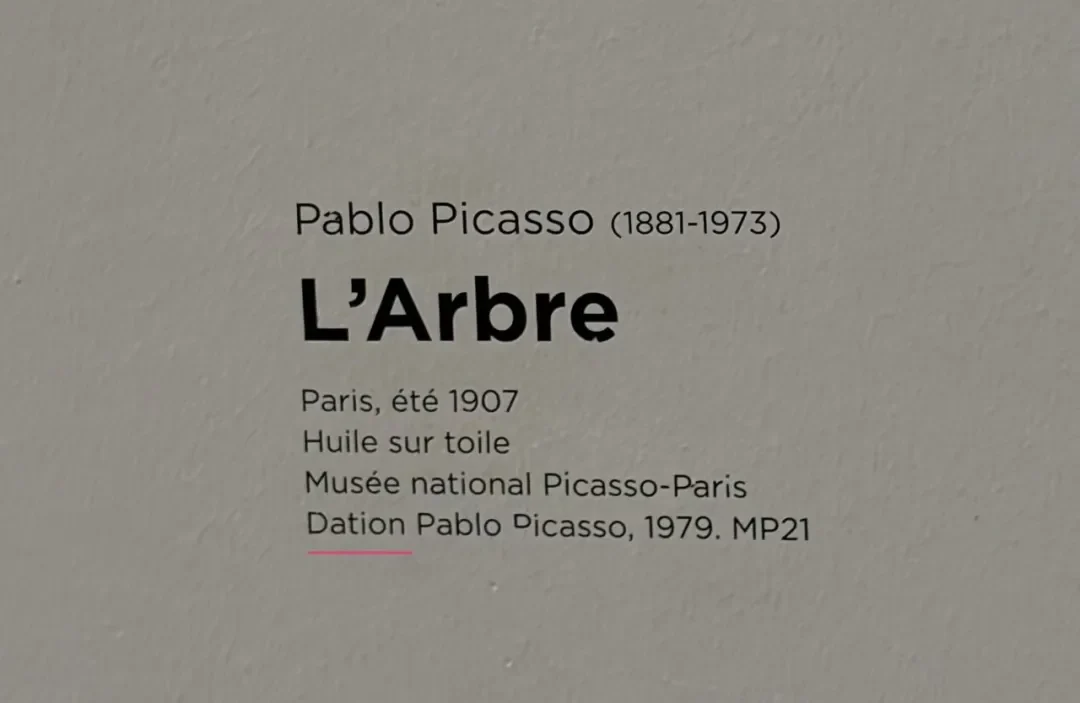
The Tree · Musée national Picasso-Paris · 11 October 2026
When Picasso died in 1973, he left an enormous body of work. Art history saw the legacy of a master; his heirs also faced inventories, valuations, division and taxation. Neither perspective can be set aside. Even a great artist cannot make the administration of an estate automatically straightforward. Art can create a particular difficulty: a home may contain great value without a corresponding bank balance. A painting may be valued highly, but no one can cut off a small corner to pay a tax bill. If works have to be sold to raise cash, they may pass to different buyers and the collection may be dispersed.
A crucial point is that Picasso sold very little during his lifetime and discarded nothing, leaving some 40,000 works across his studios and properties when he died, including more than 11,000 drawings. The auctioneer Maurice Rheims was commissioned by the French state to lead the inventory. What he initially thought would take three months lasted from 1974 to 1981. Contemporary valuations put the estate at approximately 3.75 billion francs, including around 1.4 billion francs for his own works. Yet Picasso left only US$4.5 million in cash; the rest consisted of paintings by Matisse, Cézanne, Miró and others, as well as his own. Even if the inheritance-tax burden for direct descendants were only 10–15%, applying it to a tax base of several billion francs would leave the heirs without enough cash to pay. Raising the money would require selling works. But if thousands of Picassos entered the market at once, prices would collapse. With tax assessed on higher valuations and sales yielding lower prices, selling more could leave the heirs ever less able to meet the bill.
Fortunately, France also wished to prevent these works from being dispersed. Legislation enacted in 1968—Law No. 68-1251—established a system of payment in kind that offered a way forward: works of significant artistic or historical value could, following a special review procedure, be accepted against certain taxes at an approved valuation. This is not a matter of carrying a painting into a tax office and negotiating the change. Both eligibility and the value accepted in settlement require approval.
In 1979, Picasso’s heirs used this system to transfer a group of important works to the French national collection, forming the foundation of the holdings of the Picasso museum in Paris. The museum opened in 1985. In 1990, the heirs of Picasso’s widow Jacqueline completed a further payment in kind, enriching the public collection. Dation, then, does not mean exemption from tax. The delivery of works discharges the corresponding tax liability while giving those works an opportunity to enter a public collection. What interests me is how this arrangement brought together several distinct difficulties: heirs needed to settle taxes, the state wished to preserve an important artistic legacy, and the museum needed a body of work capable of representing the artist’s creative development. Decades later, we enter the galleries and see paintings. The legal mechanism that helped keep them together usually sits quietly on the labels, out of the spotlight.
This brought me back to an essay I wrote last year, How Did Van Gogh’s Paintings Reach American Museums? From Los Angeles to the Netherlands, from Boston to New York, and from New Haven to Paris, Van Gogh’s works had prompted a question: how did the paintings of a Dutch artist cross the Atlantic and enter American museums? Following the threads of purchases, donations and bequests, I began to notice the people behind the works who do not appear in the pictures. The artist’s name is displayed beside the work; those of collectors, donors and museum staff often appear in much smaller type. Without them, however, our encounter with the work might never have happened.
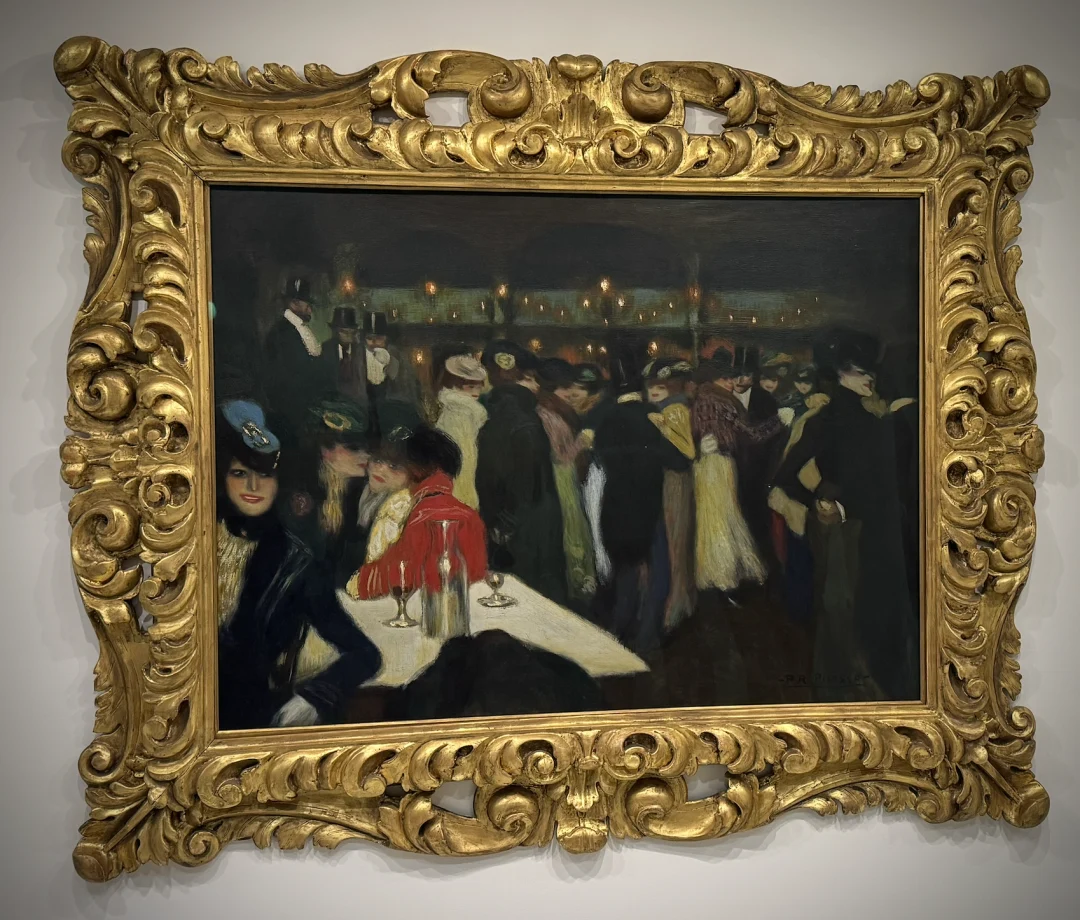
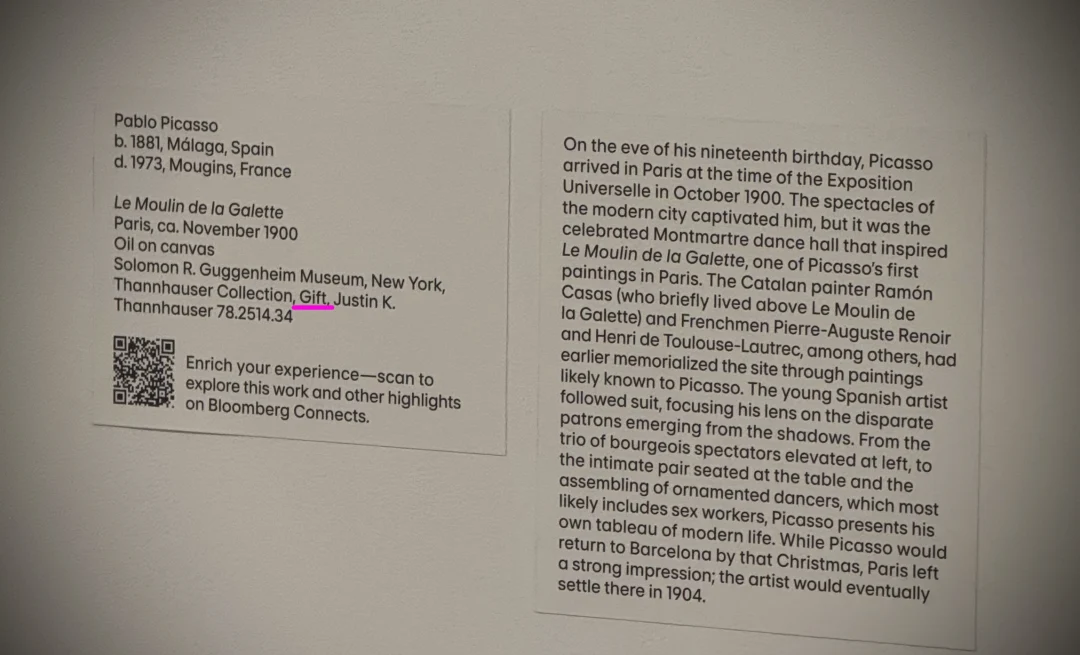
Le Moulin de la Galette · Solomon R. Guggenheim Museum, New York · 1 October 2025
The Picassos at the Guggenheim in New York are closely connected with the art dealer and collector Justin Thannhauser. He maintained a friendship with Picasso over several decades, and his collection included works by Van Gogh and Cézanne as well as Picasso. In 1963, he began arranging a gift of selected works to the Guggenheim. They went on display there on loan in 1965, and legal title was formally transferred in 1978, two years after Thannhauser’s death.
I like the unhurried timing of this story. The collector was still alive when the public began encountering the works; his decision about their future after his death was already taking effect. Entrusting something to others had a specific recipient, a process and a continuity. A collector cannot remain beside his paintings forever, but he can find a place willing to take them on well in advance. I had thought the stories from Paris and New York would be enough for these reflections.
Then, today, I wandered into the lower galleries of the Musée de l’Orangerie, and there was Picasso again. The Orangerie is, of course, best known for Monet’s Water Lilies. But anyone who leaves thinking that seeing the Water Lilies completes the assignment might encounter some objections from the painters downstairs. The Walter–Guillaume Collection also includes Renoir, Cézanne, Matisse, Modigliani and Picasso.
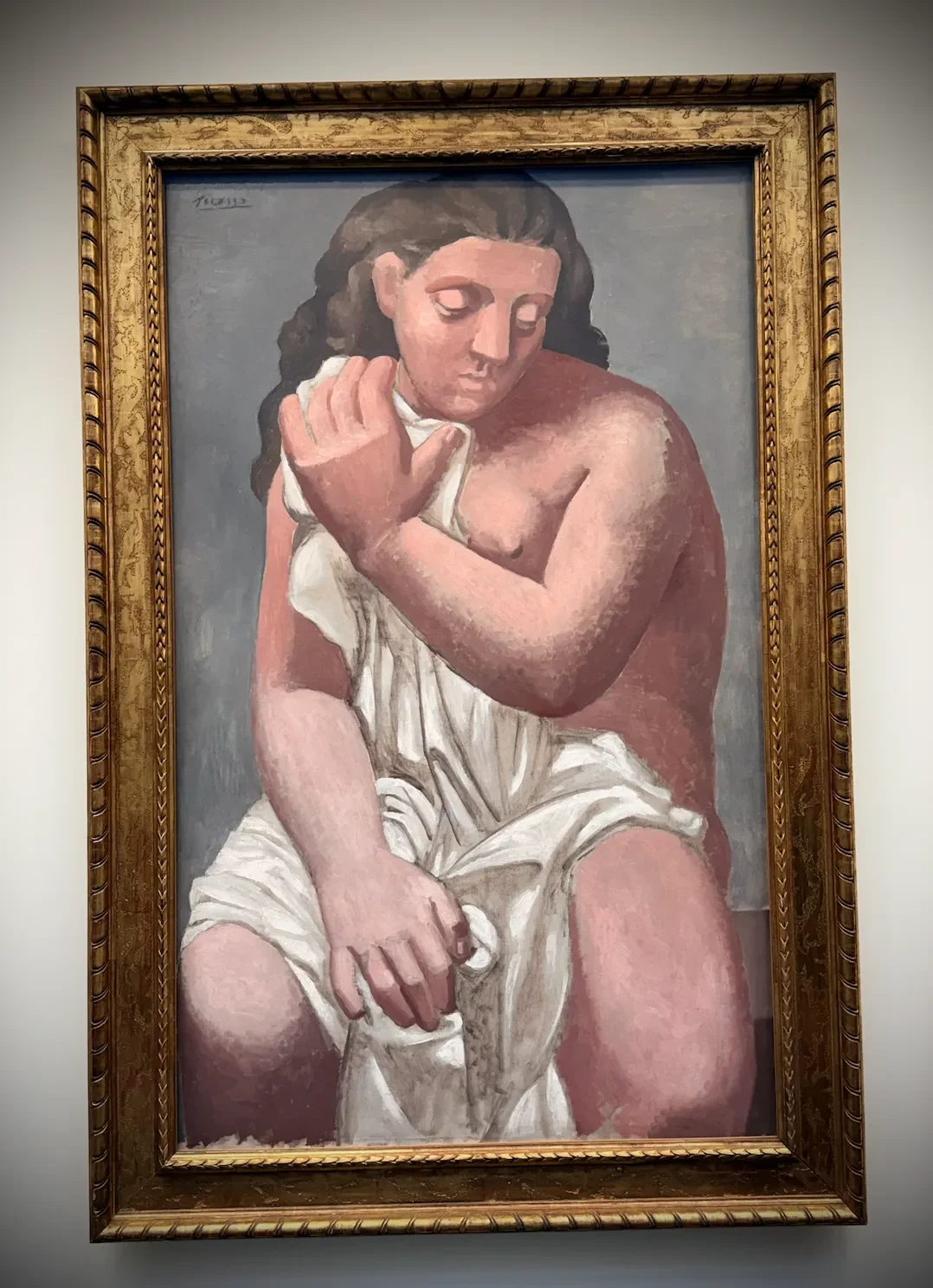
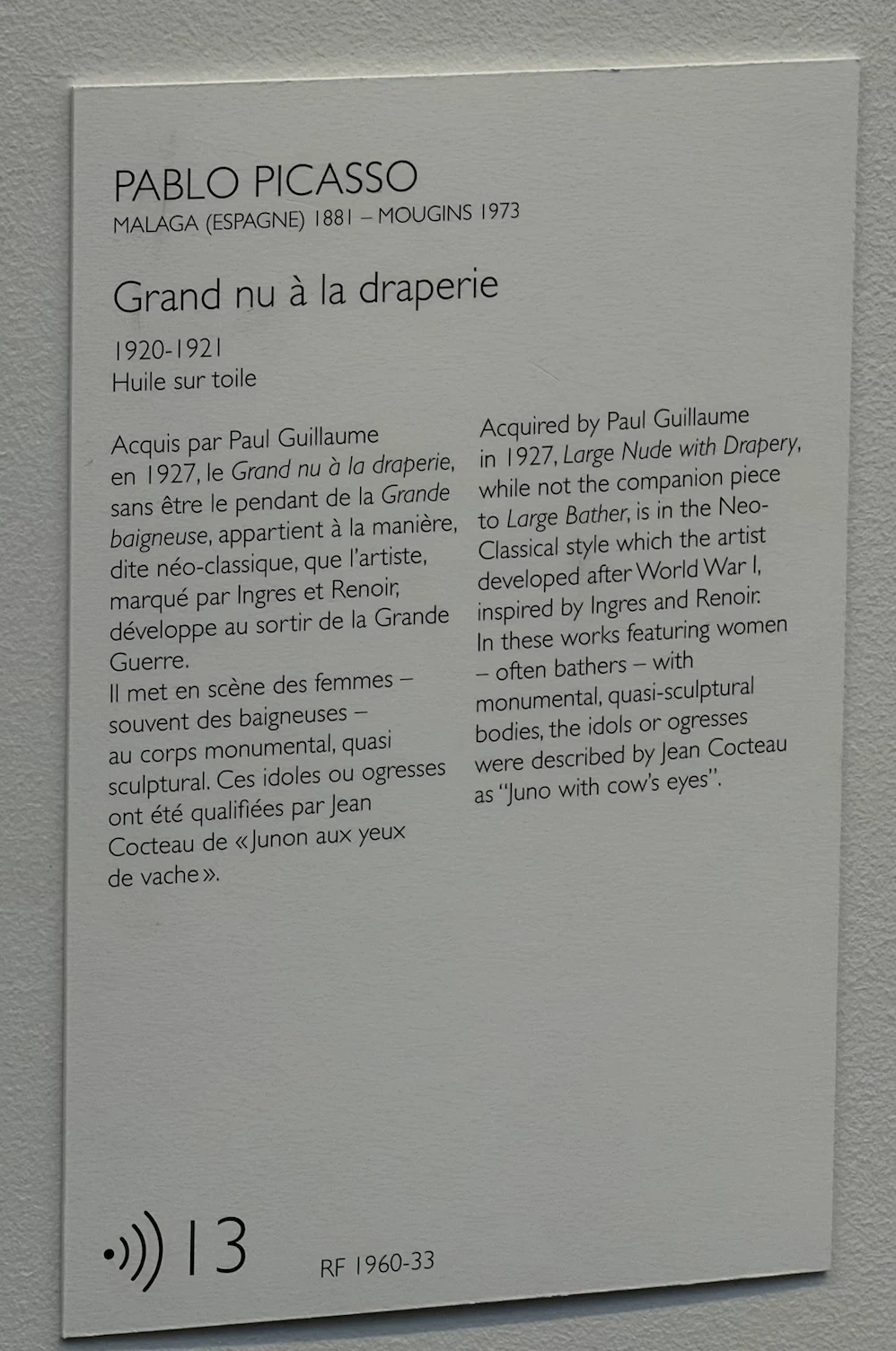
Large Nude with Drapery · Musée de l’Orangerie, Paris · 12 October 2026
And so my writing about Monet and Picasso found a connection within the same museum. These Picassos brought with them a third kind of history.
The collection was assembled by the art dealer Paul Guillaume. After his death, his wife Domenica continued to reshape it and later married Jean Walter. The French state purchased the collection in two stages, in 1959 and 1963, under arrangements reserving a usufruct. It went on public display in 1966.
This is a point at which it is worth slowing down. It is easy to call every story of a private collection entering a museum a “donation”: the word is simple and sounds generous. But the key route by which this collection at the Orangerie entered national ownership was purchase, with a reserved usufruct. For a lawyer, those few words carry considerable weight. Ownership, use and physical delivery of property can be arranged to take effect at different times. Gradually parting with a collection need not mean handing over everything on a single day.
The Picassos in these three museums thus arrived by three different routes: heirs transferred works in settlement of taxes, a collector arranged a gift, and the state purchased a private collection.
Visitors in the galleries need not remember these distinctions. But for anyone concerned with succession and legacy, the differences are part of the story. Similar cultural aspirations must be realised through specific legal routes.
Law here resembles museum lighting. When it is arranged well, people notice the paintings first. Only when something goes wrong do they realise how much the lights matter. Returning to my own work, succession planning must of course begin with the question of who will own the property. How real estate is divided, who takes over shares in a business, and who inherits savings all deserve careful attention.
Yet who owns a painting and what happens to it afterwards are quite different matters. Storage requires space, conservation requires expertise, research requires documentation, and exhibitions require suitable conditions. Keeping a collection together also calls for thought about distribution and long-term costs. A will can name an heir; it cannot automatically equip that person with the knowledge to preserve works of art.
The inheritance of property does not necessarily ensure the transmission of culture. In everyday life, that is a very concrete distinction. When a painting changes hands, its history may be preserved with it—or become something nobody can explain. A family album may pass safely to the next generation, yet the people in its photographs may no longer be recognised. Legal documents can specify who receives an object. Explaining why it deserves to be cherished often requires conversations during one’s lifetime.
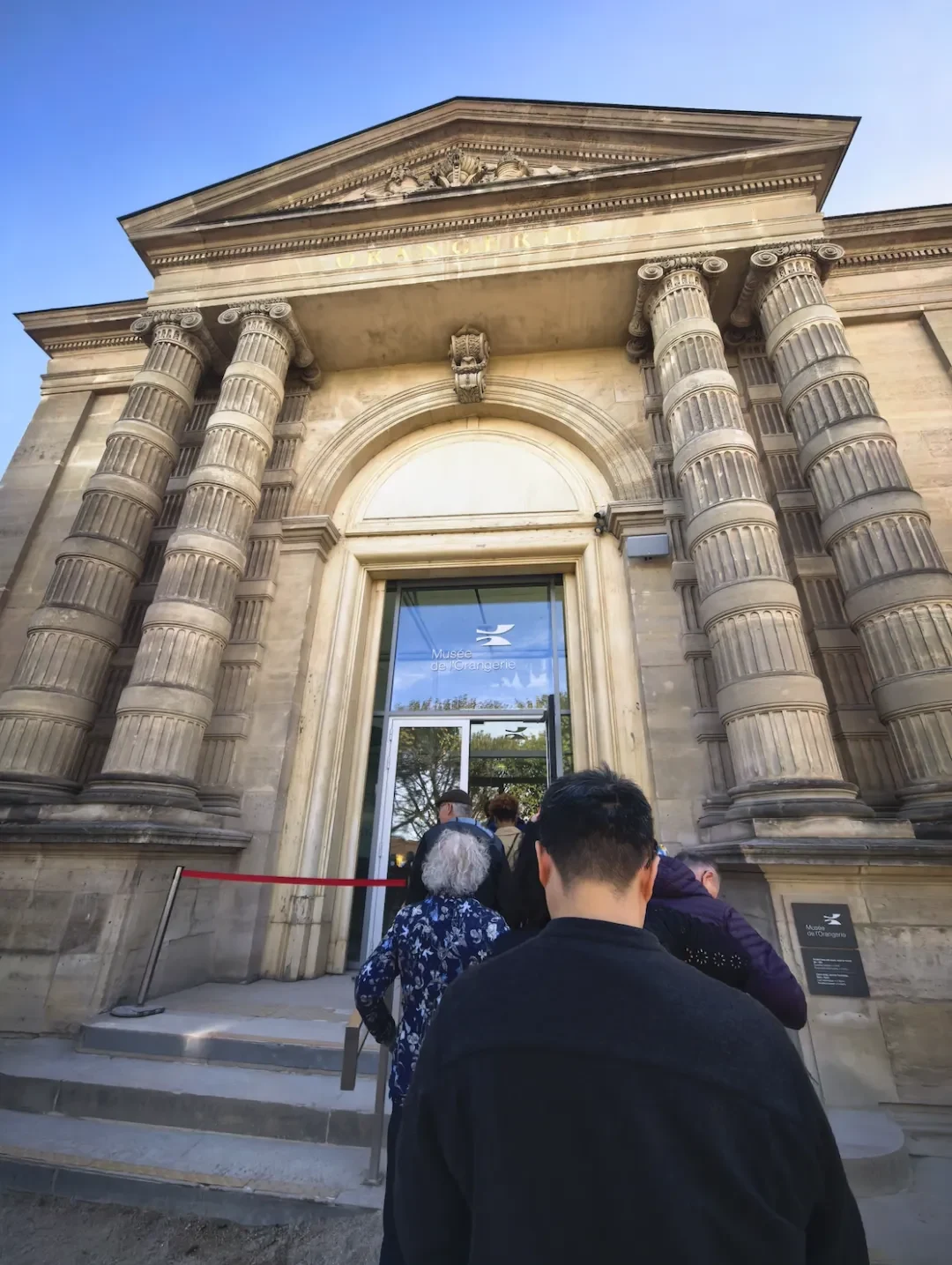
Waiting to enter the Musée de l’Orangerie · 12 October 2026
Of course, a museum is not the standard answer for every collection. Treasured objects can have a good future within a family, and selling them need not amount to betrayal. What matters is whether wishes correspond to practical capacity and whether the arrangements can actually be carried out—not merely whether we have written an ending that moves us.
Entrusting something to others always requires thought about those who will receive it. Alongside what we wish to leave, we should consider whether the next generation is willing and able to take it on.
In my essay on Monet, I wrote about the patience required to tend a garden. We can plant, water and prune, but we cannot make flowers bloom to a work schedule. The future of a collection is similar: an arrangement can set a direction, but its subsequent life depends on continuing care.
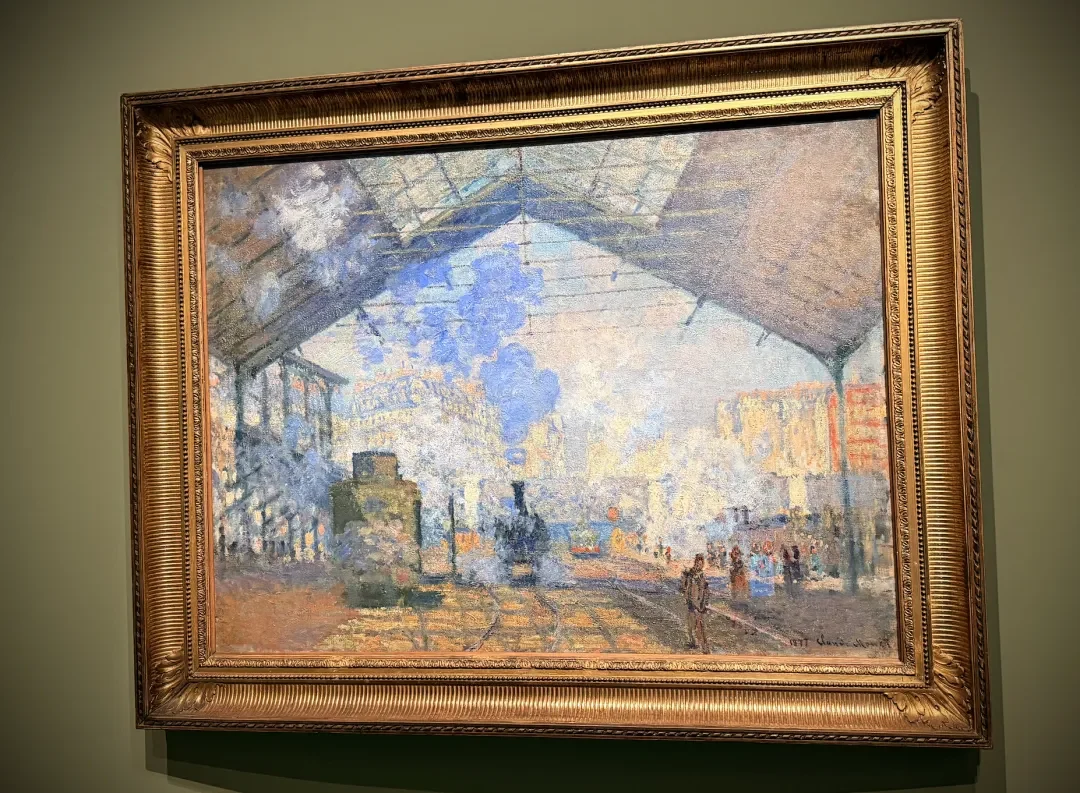
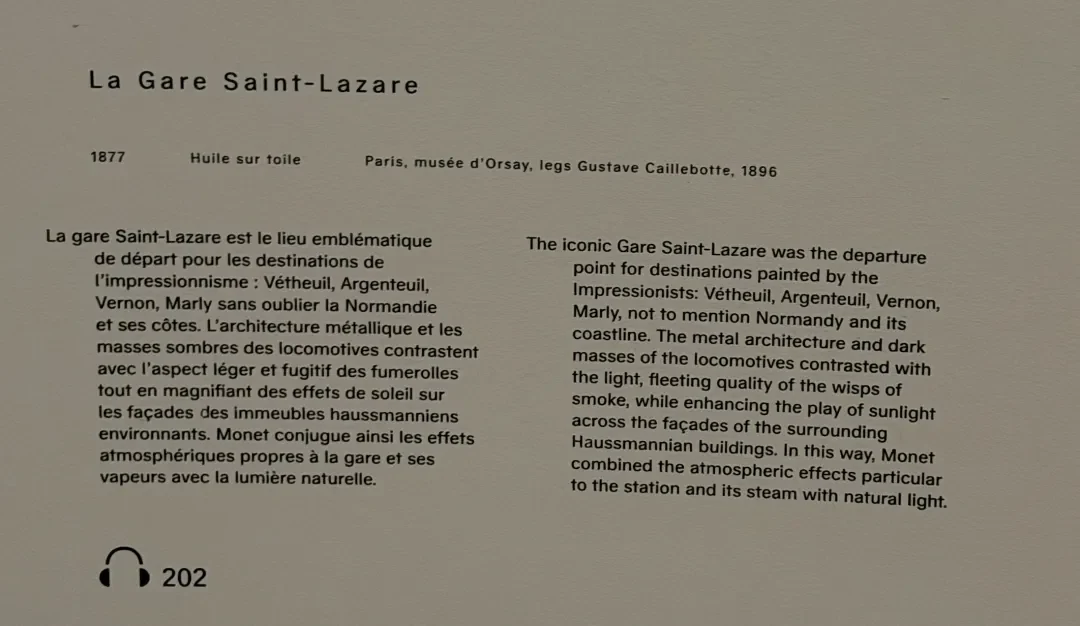
The Gare Saint-Lazare · Musée de l’Orangerie, Paris · 12 October 2026
(A note: the work I could not find at the Musée d’Orsay two days ago turned out to be on loan to the Orangerie. What a coincidence!)
From the Musée d’Orsay to the Picasso museum and then the Orangerie, my gaze had travelled in a small circle. At first, I wanted to learn how to linger before a painting. Later, I began asking why these paintings had been able to remain here. When Monet and Picasso at the Orangerie brought the two strands together, I felt more clearly that an apparently ordinary encounter today carries forward decisions made by many people long ago.
We need not all collect famous paintings, nor will each of us leave something worthy of a museum. But most of us probably have beautiful things that we hope will be treated well after their former owners are gone. As a lawyer, I often help people answer the question, “Who should receive it?” After looking at these paintings, I want to ask my high-net-worth clients: why do you cherish your collection, and how would you like those who receive it to continue caring for it?
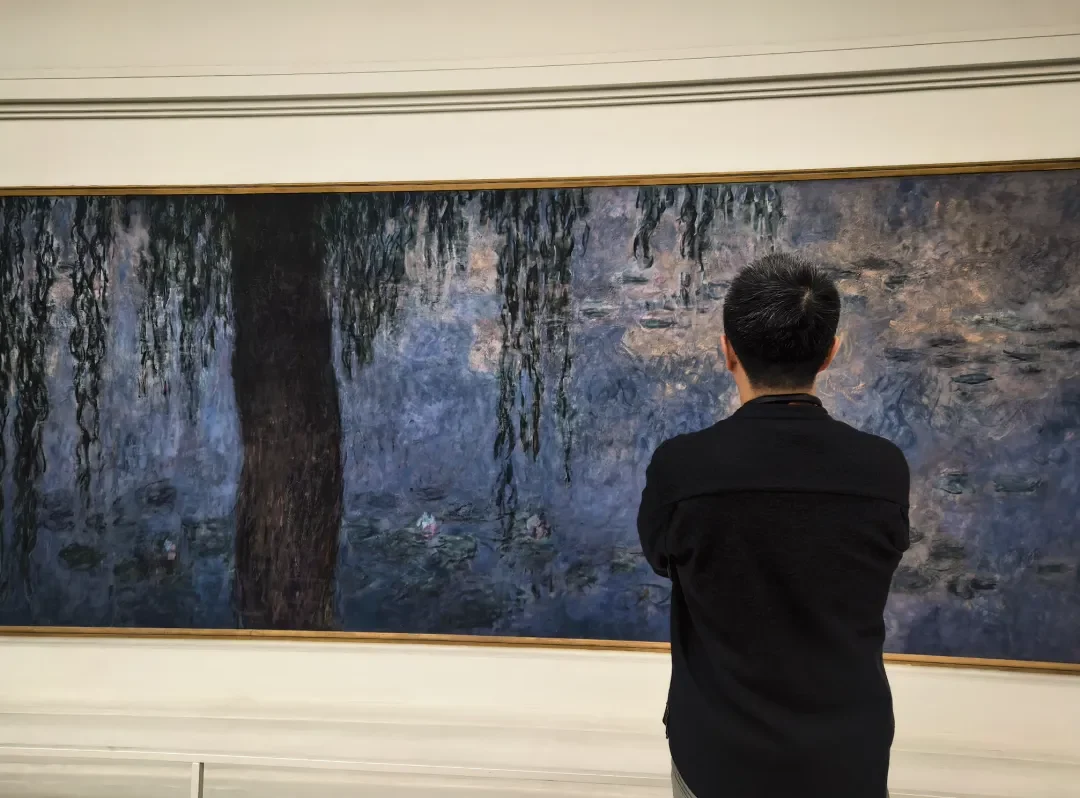
Reflecting before Monet’s Water Lilies · Musée de l’Orangerie, Paris